More than just a crack.
For me personally in my practice I take a holistic approach and look at the entire body and how it is all connected. One of the major ways that our bodies connect and move is through our soft tissues such as muscles, fascia, tendons and ligaments.
After 16 years of experience I have come to the conclusion that resetting the bones is not always enough. I found that people would come back time and time again with the same issues and the same bone out of place and it just did not make sense to me to keep doing the same thing and expect different results. Thats when I started focusing on the muscles, tendons and fascia that connect us, move us and support us.
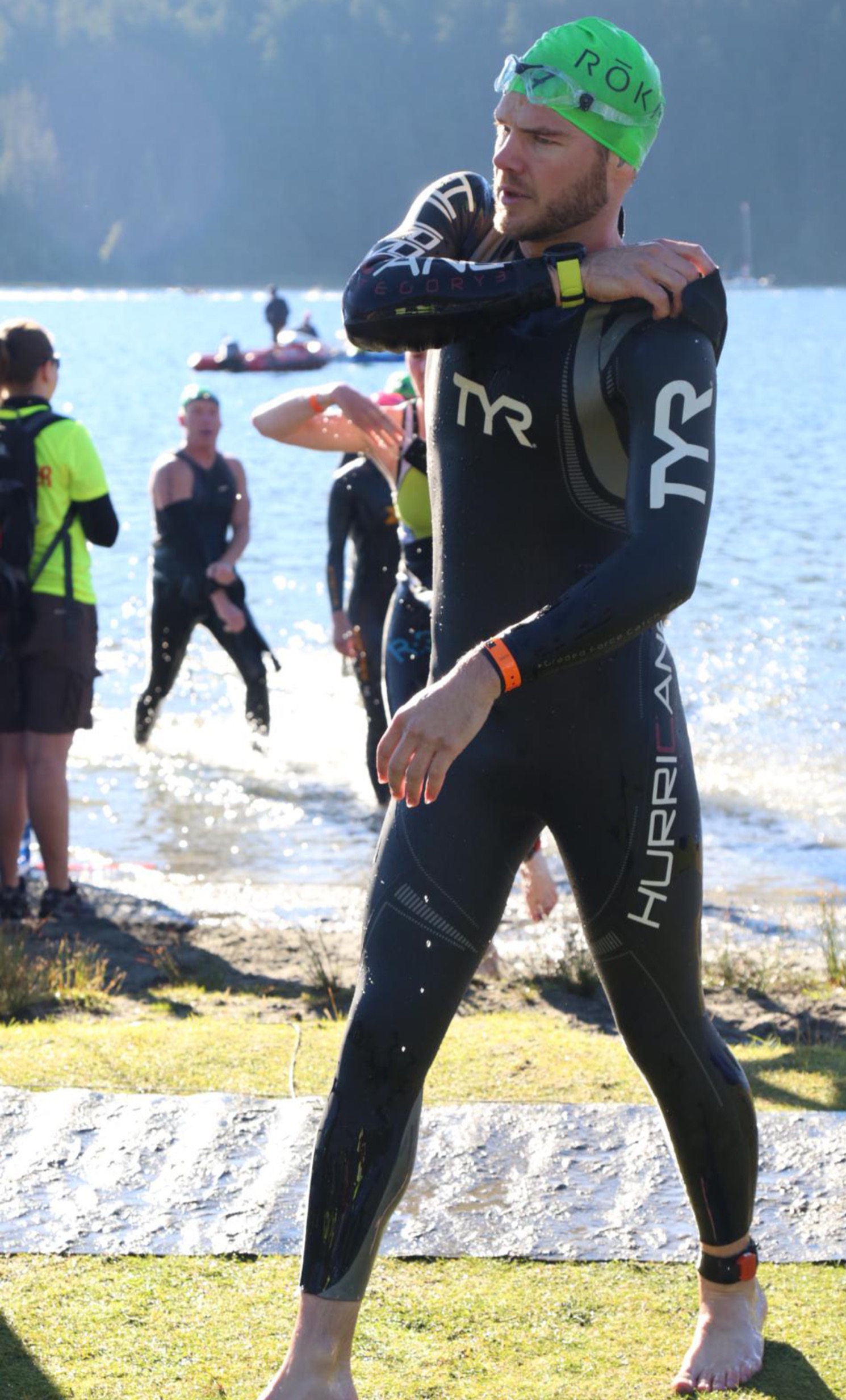
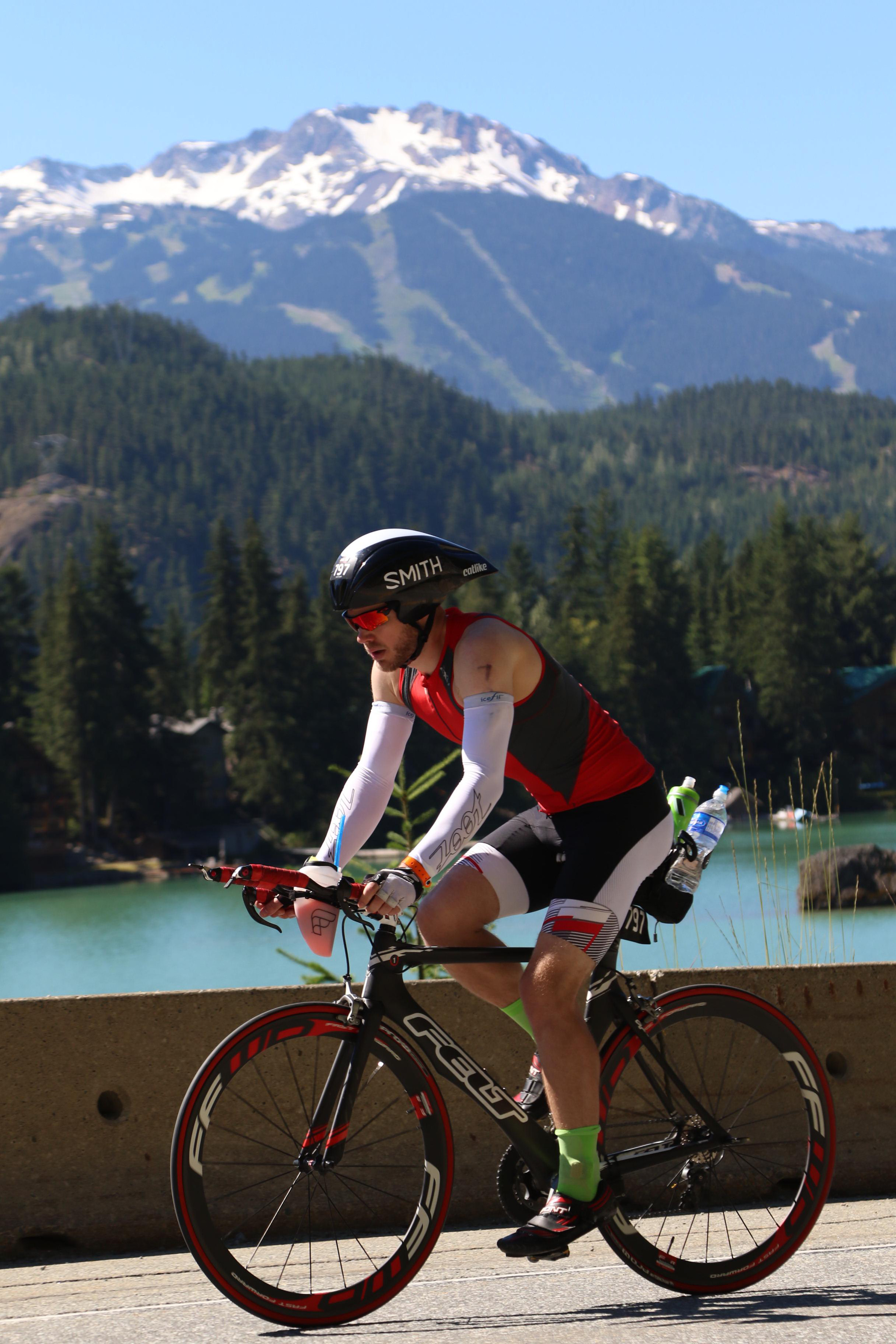
By focusing on removing tension, increasing circulation and restoring function to these tissues, I was able to provide my patients with targeted relief from pain and tension. The body and bones started to stay in alignment because they where no longer being constantly pulled out by the muscles and fascia. After the results I experienced first hand I shifted my practice and became a chiropractor specializing in soft tissue work with an emphasis on sports-focused chiropractic care.
Due to the soft tissue nature of my work I require longer appointments varying between 20 and 40 minutes with the first one always being an hour long to do a thorough head to toe assessment.
To find out more about how I treat and the methods I use read below.
-
Active Release Therapy
It is a state of the art, hands-on soft tissue technique designed specifically to find scar tissue in damaged tissues and release the adhesions that are resulting. This scar tissue is caused mostly by repetitive use or overuse of a certain muscle or tissue. Most commonly athletes and industrial workers doing repetitive movements suffer from such a condition, however, anybody can be affected by this injury.
-
Tuina massage
Pronounced (tweena) is an ancient form of massage that focuses on balancing a person’s Qi or energy. Practitioners use various techniques, including kneading, pressing, rolling, and stretching.
-
Applied Kinesiology (AK)
Is a system that evaluates the function of the bodies movement system using manual muscle testing with other standard methods of diagnosis.
The doctor using AK finds a muscle that is unbalanced and then attempts to determine why that muscle is not functioning properly. The doctor works out the treatment that will best balance the patient's muscles.
Treatments may involve specific joint manipulation or mobilization, various myofascial therapies, cranial techniques, meridian and acupuncture skills and various reflex procedures.
-
Instrument Assisted Soft Tissue Mobilization (IASTM) / Gua sha
IASTM / Guy she is a set of handheld instruments we use to break down the scar tissue and fascial restrictions in your soft tissues to improve blood and lymph curculation.. This includes your muscles, ligaments, tendons, nerves and fascia.
-
Blair Upper Cervical Technique
The Blair Technique of Upper Cervical Chiropractic utilizes precise and gentle adjustments to the upper neck, delivered painlessly and without twisting or cracking.
When the upper neck is properly aligned, the whole spine realigns itself from the top down, allowing the body to return to proper balance. When the body and spine are in balance, the overall health of the individual can improve and many problems a patient may presents can heal.
-
Tok Sen
Tok Sen massage involves a wooden hammer being tapped along your acupuncture meridians, relaxing the muscles, healing chronic pains, and improving the pathways of the nervous system.
-
Neural Organizational Technique
N.O.T. is a series of techniques designed to re-organise the nervous system so that the individual can function effectively and efficiently without pain or distress.
It is based on the theory that the body is an integrated whole – self-healing, self regulating, self perpetuating (replacing its own tissues), an organized entity.
Dr Ferreri, the founder, found that the body and its multitude of functions work like a computer with very specific programs for every eventuality. Some programs like the basic survival systems were built in and other programs were developed, learned or put together as the need arose.
Sometimes the programs get corrupted or damaged due to either physical, emotional or chemical stress. N.O.T. is designed to find the cause of the stress or damaged program by testing the body in various situations and then used gentle spinal, cranial and reflex techniques to reactivate and re-organize the nervous system.
-
Activator Method
This technique uses specific protocols to detect spinal subluxation, analyze leg length inequality, identify issues with body mechanics, and test neurological reflexes. The activator instrument is a hand-held tool used to deliver a gentle, fast-thrust, low-force chiropractic adjustment.
-
Cupping Therapy
Cupping therapy is an ancient form of alternative medicine in which a therapist puts special cups on your skin for a few minutes to create suction. People get it for many purposes, including to help with pain, inflammation, blood flow, relaxation and well-being, and as a type of deep-tissue massage.
-
Cranial Therapy
This therapy is scientifically and neurologically designed to address cranial misalignments. These misalignments can interfere with nerve, cerebral spinal fluid, and blood supply to the brain, which can also exert extra pressure on the brain, interfering with the brain’s nutrient and oxygen supply causing pain and altered functions. Cranial therapy is used to detect and correct any cranial misalignments, including concussions, head trauma, post-concussive syndrome, headaches, migraines and sinus issues just to name a few.
-
Visceral Manipulation / Myofascial Release Therapy
Visceral Manipulation is bases on the specific placement of soft manual forces to encourage the normal mobility, tone and motion of the viscera and their connective tissues. Theses gentle manipulations can potentially improve the functioning of individual organs, the systems at organs function within, and the structural integrity of the entire body.
-
Diversified Technique
This is the most commonly used of all chiropractic techniques and is the one most familiar to patients. The diversified adjustment entails a high-velocity, low-amplitude thrust that usually results in a cavitation of a joint (quick, shallow thrusts that cause the popping noise often associated with a chiropractic adjustment). As the name implies, the diversified technique can be used to adjust many of the joints in the body.
-
Functional Range Conditioning
FRC is a comprehensive joint training system based in scientific principals and research.There are 3 main training-goals when utilizing the FRC system which are all closely interrelated, and acquired simultaneously:
MOBILITY DEVELOPMENT - Mobility refers to the amount of active, usable motion that one possesses. The more mobile a person is, the more they are able to maximize their movement potential safely, efficiently, and effectively.
JOINT STRENGTH - While improving mobility and movement potential, the FRC® system also acts to ‘bullet proof’ (or safe-guard) your joints so that movement can be executed safely.
BODY CONTROL -Training with FRC® improves the function of your nervous system. This leads to a reduction of pain and injury, joint health and longevity, as well as an increased ability to move freely and easily.
-
NeuroKinetic Therapy
A corrective movement system is based on the premise that when an injury has occurred, certain muscles shut down or become inhibited, forcing other muscles to become overworked. By applying light pressure that the client then resists, the practitioner can evaluate the strength or weakness of each muscle, revealing the sources of injury and retraining the client’s body to remove the compensation patterns.